
How to Start a Small Herb Garden Indoors: A Beginner’s Guide
Growing your own herbs indoors is a fantastic way to add fresh flavors to your cooking, brighten up your living space, and enjoy the satisfaction of nurturing plants. Whether you have a sunny windowsill, a small balcony, or just a corner in your kitchen, starting a small herb garden indoors can be simple and enjoyable. In this guide, we’ll walk you through everything you need to know to get your indoor herb garden thriving.
Why Grow Herbs Indoors?
Indoor herb gardens offer several benefits:
– Freshness: You have fresh herbs at your fingertips whenever you need them.
– Convenience: No trips to the store or worrying about herbs wilting before use.
– Aesthetics: Green plants brighten your space and improve air quality.
– Learning Experience: Gardening is a relaxing hobby that teaches patience and care.
Choosing the Right Herbs
Not all herbs are equally suited for indoor growth. Some thrive better indoors due to their light and space requirements.
Best Herbs for Indoor Gardens
– Basil: Needs plenty of sunlight; great for cooking.
– Parsley: Moderate light; versatile.
– Mint: Easy to grow but can spread quickly.
– Thyme: Prefers bright light and well-drained soil.
– Chives: Tolerant of lower light conditions.
– Cilantro: Likes cooler temperatures and good airflow.
– Oregano: Requires bright light and well-draining soil.
Choose herbs you use most in your cooking and that fit your space and light availability.
Selecting Containers and Soil
Containers
– Use pots with drainage holes to prevent waterlogging.
– Choose sizes appropriate for the mature size of each herb (generally 4-6 inches is fine to start).
– Materials like terracotta or ceramic work well because they breathe, but plastic is lightweight and easier to move.
Soil
– Use a high-quality potting mix designed for indoor plants.
– Avoid garden soil, which may be too heavy and poorly drained.
– A mix with perlite or vermiculite will improve drainage.
Finding the Perfect Spot
Most herbs require at least 6 hours of sunlight daily.
– Windowsills: South or west-facing windows tend to get the most light.
– Under Grow Lights: If natural light is limited, consider LED grow lights designed for plants.
– Keep herbs away from cold drafts or heating vents that can dry them out.
Planting Your Herb Garden
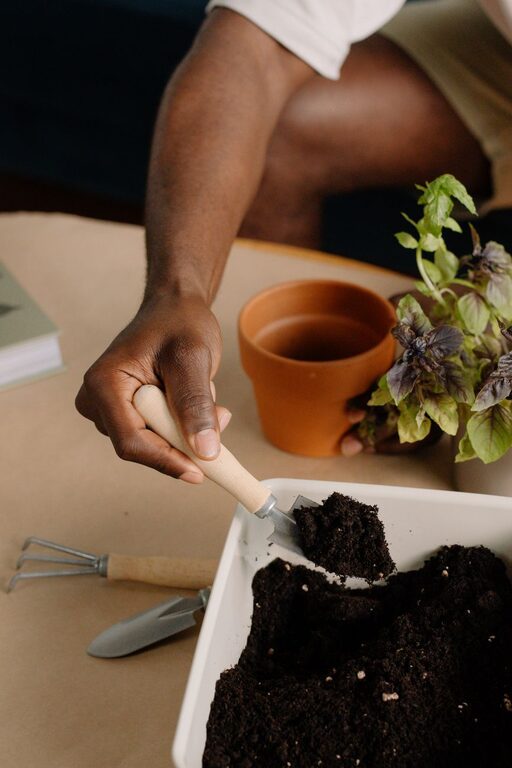
You can start your herb garden from seeds or small starter plants.
From Seeds
– Fill containers with potting mix.
– Plant seeds at the depth recommended on the packet.
– Water gently and cover with a plastic wrap or dome until seedlings appear.
– Once seedlings show, remove the cover and place in bright light.
From Starter Plants
– Choose healthy plants from a nursery.
– Gently loosen roots before transplanting into your pots.
– Water thoroughly after planting.
Caring for Your Indoor Herb Garden
Watering
– Check soil moisture regularly.
– Water when the top inch of soil feels dry.
– Avoid overwatering; soggy roots can cause rot.
Feeding
– Fertilize herbs every 4-6 weeks with a balanced, water-soluble fertilizer at half strength.
– Too much fertilizer can reduce flavor intensity.
Pruning and Harvesting
– Regularly pinch off growing tips to encourage bushier growth.
– Harvest leaves as needed, but avoid removing more than one-third of the plant at once.
– Prune flowers to keep herbs producing leaves.
Pest Management
– Watch for common pests like aphids or spider mites.
– Wipe leaves with a damp cloth or use mild insecticidal soap if needed.
– Keeping plants healthy reduces pest problems.
Tips for Success
– Rotate pots weekly to ensure even light exposure.
– Use a spray bottle to mist herbs in dry environments.
– Label pots to keep track of each herb.
– Keep a garden journal to note watering and growth patterns.
Troubleshooting Common Problems
| Problem | Cause | Solution |
|———————–|——————————|——————————————-|
| Yellow leaves | Overwatering or poor drainage| Reduce watering; ensure pot drains well |
| Leggy plants | Insufficient light | Move to brighter spot or add grow lights |
| Slow growth | Nutrient deficiency | Fertilize lightly; check soil quality |
| Wilting leaves | Underwatering or heat stress | Water consistently; avoid hot drafts |
Final Thoughts
Starting a small herb garden indoors is a rewarding project that brings nature closer to your daily life. With the right herbs, containers, and care, you can enjoy fresh, fragrant herbs year-round. Give it a try, and soon you’ll have a lovely green corner that adds flavor and freshness to your kitchen and home.
Happy gardening!
